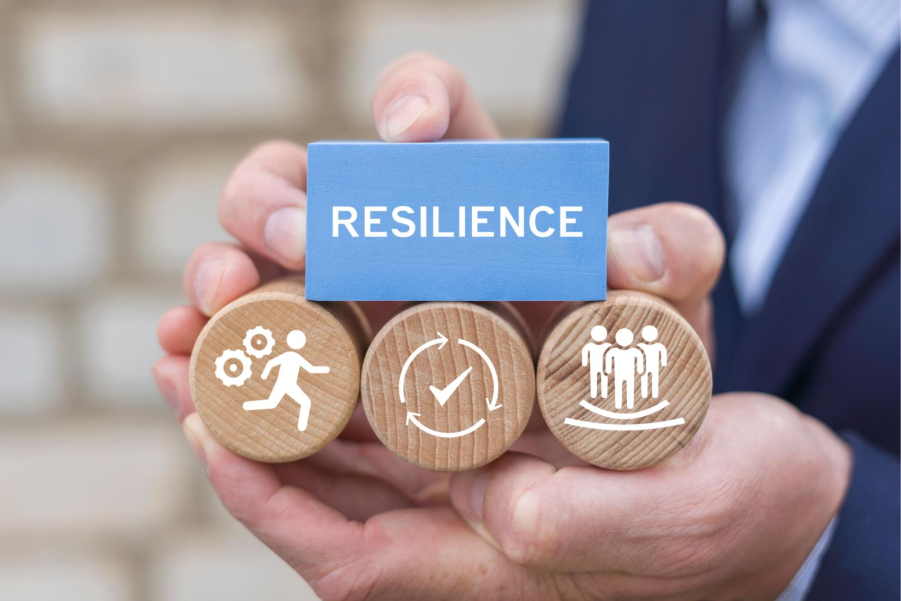
Careers used to follow a predictable path. You chose a field, developed expertise, and built steadily over time. Today, that certainty has faded. Technology evolves faster than job titles. Industries overlap in ways they never did before. Skills that once guaranteed stability now require constant updating. In this environment, success isn’t defined by how long you stay in one role, but by how well you adapt when the ground shifts beneath you.
Professionals who have navigated finance, media, and education spaces, like Sean Casterline, have seen firsthand that resilience is no longer optional. It’s the core skill that determines whether someone merely reacts to change or grows through it. Career resilience isn’t about resisting disruption; it’s about learning how to move with it intentionally.
What Career Resilience Really Means
Resilience in a professional sense doesn’t mean having all the answers. It means staying functional, curious, and grounded even when circumstances change. A resilient career isn’t built on a single skill or credential: it’s built on the ability to learn, reassess, and reposition without losing momentum.
In business and finance, market cycles come and go. In real estate, interest rates and development trends shift. In technology, entire platforms rise and fall within a few years. Across all these fields, those who last are not the most specialized, but the most adaptable.
Career resilience is about remaining valuable regardless of context.
Education as a Long-Term Asset
One of the clearest patterns among resilient professionals is their relationship with learning. Education doesn’t end with a degree or certification. It continues through reading, listening, observing, and engaging with new ideas.
This doesn’t always mean formal education. It can mean staying informed about market trends, understanding how technology affects your industry, or learning from adjacent fields. A real estate professional who understands data analytics, or a finance professional who understands media influence, gains perspective that others miss.
Knowledge compounds. And unlike titles, it doesn’t expire.
Technology as a Tool, not a Threat
Technology often gets framed as the enemy of job security. But resilient professionals see it differently. They treat technology as a tool that expands capability rather than replaces it.
Automation may change workflows, but it also opens space for strategic thinking. Digital platforms may disrupt traditional models, but they also democratize access to information and opportunity. The key is learning how to work alongside technology rather than compete with it.
Those who invest time in understanding emerging tools, even at a basic level, are more likely to be equipped to pivot when change arrives. The goal isn’t to master everything but to remain fluent enough to adapt.
The Overlooked Role of Physical and Mental Discipline
Career resilience isn’t only intellectual; it’s physical and mental as well. Professionals who maintain consistent routines outside of work often handle pressure more effectively inside it.
Sports and fitness teach lessons that translate directly into career longevity: discipline, recovery, consistency, and patience. Training the body reinforces habits that strengthen focus and stress management Built through reflection, mindfulness, or quiet self-assessment, it helps professionals make better decisions under uncertainty.
Networking as a Resilience Strategy
When industries change, people “not resumes” often create opportunity. Professional relationships provide insight, perspective, and access that no algorithm can replicate.
Resilient professionals don’t network only when they need something. They build relationships steadily, offering value, sharing insight, and staying engaged in professional communities. Over time, these connections become sources of guidance and opportunity during transitions.
Networking isn’t about volume; it’s about trust. And trust becomes especially valuable when circumstances are uncertain.
Adapting Without Losing Identity
One of the biggest fears around reinvention is losing one’s professional identity. But resilience doesn’t require abandoning yourselves; it requires expanding it.
Skills are transferable even when roles change. Communication, analysis, leadership, and problem-solving apply across industries. The most adaptable professionals understand their core strengths and learn how to express them in new contexts.
Change doesn’t erase experience; it reframes it.
Why Long-Term Thinking Still Wins
In a fast-moving world, short-term wins are tempting. But resilient careers are built through long-term thinking. This means choosing growth over comfort, preparation over reaction, and learning over complacency.
It also means accepting that not every move will be perfect. Resilient professionals adjust, refine, and continue forward rather than waiting for ideal conditions.
The ability to stay steady while the world reinvents itself is what separates sustainable careers from fragile ones.
The Quiet Advantage of Staying Ready
Career resilience doesn’t announce itself loudly. It shows up in how someone responds to change, how they prepare for uncertainty, and how they remain grounded while others panic.
In business, finance, real estate, technology, and personal development, the common thread is readiness. Those who stay curious, disciplined, and connected tend to find opportunity even when the path is unclear.
The world will continue to reinvent itself. The question is not whether change will happen, but whether you’ll be ready when it does.