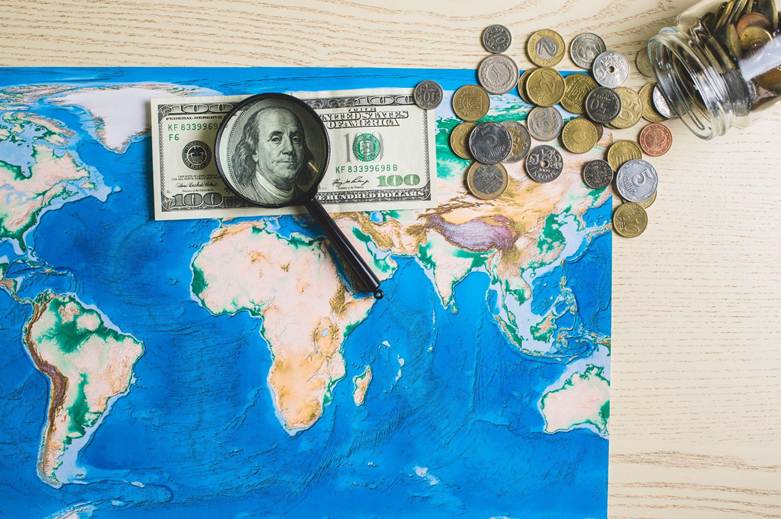
Global diversification is often discussed in terms of asset classes, sectors, or risk tolerance. Yet one dimension remains consistently underexplored: geography. Sean Casterline, a portfolio strategy specialist highlights that where capital is deployed can shape outcomes just as significantly as what it is invested in, especially in an increasingly interconnected and uneven global economy.
Markets do not operate in isolation. Political systems, regulatory frameworks, currency stability, and regional economic cycles all affect the ecosystem in which every investment exists. Ignoring these factors can lead to portfolios that appear diversified on paper but remain concentrated in practice.
Beyond Asset Classes: The Role of Location
Traditional portfolio construction emphasizes diversification across equities, fixed income, and alternative assets. While this framework is essential, it often overlooks the geographic concentration embedded within those allocations.
For instance:
- A portfolio heavily invested in multinational companies may still be tied to a single economic region
- Sector diversification can mask exposure to region-specific risks
- Domestic bias can limit access to global growth opportunities
Geographic awareness adds another layer of precision to diversification, ensuring that exposure is not unintentionally clustered.
Regulatory Environments Shape Outcomes
Each country operates under its own legal and regulatory system, which directly influences how investments perform and how risks are managed.
Key considerations include:
- Investor protection laws and enforcement standards
- Transparency and reporting requirements
- Taxation policies affecting returns
Regions with strong regulatory frameworks often provide stability, while emerging markets may offer higher growth potential alongside increased uncertainty. Understanding this balance is critical when allocating capital across borders.
Currency as a Hidden Variable
Currency exposure is one of the most overlooked aspects of international investing. Even when an asset performs well in its local market, exchange rate fluctuations can significantly impact returns.
- A strengthening home currency can reduce gains from foreign investments
- Currency volatility can introduce additional risk layers
- Hedging strategies may be necessary but come with their own costs
Geographic diversification inherently introduces currency dynamics, making it essential to account for both market performance and exchange rate movements.
Political Stability and Market Confidence
Political conditions play a central role in shaping investor confidence and market behavior. Changes in leadership, policy direction, or geopolitical relationships can quickly alter the investment landscape.
- Policy shifts can affect entire industries
- Trade agreements influence cross-border investment flows
- Geopolitical tensions can trigger sudden market volatility
Regions with stable governance tend to attract long-term capital, while politically uncertain environments may require a more cautious approach.
Economic Cycles Are Not Synchronized
Global markets do not move in perfect alignment. Different regions experience growth, contraction, and recovery at varying times.
This creates opportunities:
- Exposure to multiple economies can smooth overall portfolio performance
- Growth in one region can offset stagnation in another
- Timing advantages may emerge from asynchronous cycles
By diversifying geographically, portfolios can become more resilient to localized downturns.
Access to Emerging Opportunities
Some of the most significant growth opportunities exist outside traditional developed markets. Emerging economies often present expanding consumer bases, infrastructure development, and evolving industries.
However, these opportunities come with considerations:
- Higher volatility and less predictable market behavior
- Varying levels of market maturity and liquidity
- Increased importance of due diligence and local knowledge
Balancing exposure between established and emerging regions can enhance both growth potential and risk management.
The Illusion of Global Exposure
Many investors assume that holding globally recognized companies automatically provides international diversification. In reality, revenue sources and operational footprints do not always translate into true geographic exposure.
- Companies listed in one country may still be influenced by domestic policies
- Global brands can be affected by region-specific disruptions
- Supply chain dependencies introduce indirect geographic risks
True geographic diversification requires intentional allocation rather than passive assumptions.
Building a Geography-Conscious Portfolio
Incorporating geography into investment strategy involves more than simply adding international assets. It requires a structured approach to understanding how regions interact within a portfolio.
- Evaluate exposure across developed and emerging markets
- Consider currency implications alongside asset performance
- Assess political and regulatory environments before allocating capital
- Align geographic exposure with long-term financial objectives
This approach transforms geography from a secondary consideration into a core component of portfolio design.
A Broader Perspective on Risk and Opportunity
Focusing solely on asset selection can limit the scope of analysis. By expanding the lens to include geography, investors gain a more comprehensive understanding of both risk and opportunity.
Regional dynamics influence everything from interest rates and inflation to innovation and demographic trends. These factors, in turn, shape the performance of individual investments.
Conclusion
Investment decisions are often framed around what to buy, but where those investments are located can be equally, if not more, important. Geographic context adds depth to portfolio construction, revealing exposures and opportunities that might otherwise go unnoticed.
A more globally aware strategy recognizes that markets are shaped by more than numbers—they are shaped by environments. By integrating geographic considerations into investment decisions, portfolios can become more balanced, resilient, and aligned with the realities of a complex global economy.